Our Farming Process
A comprehensive look at how we raise healthy chickens and produce quality eggs
1. Chick Arrival and Brooding
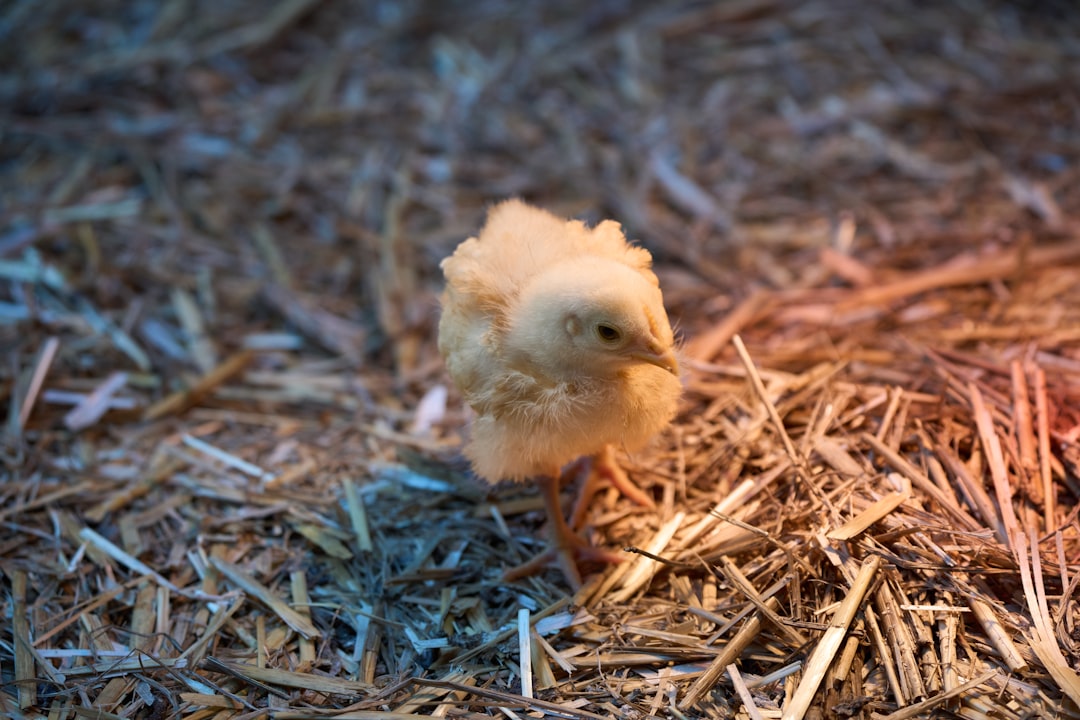
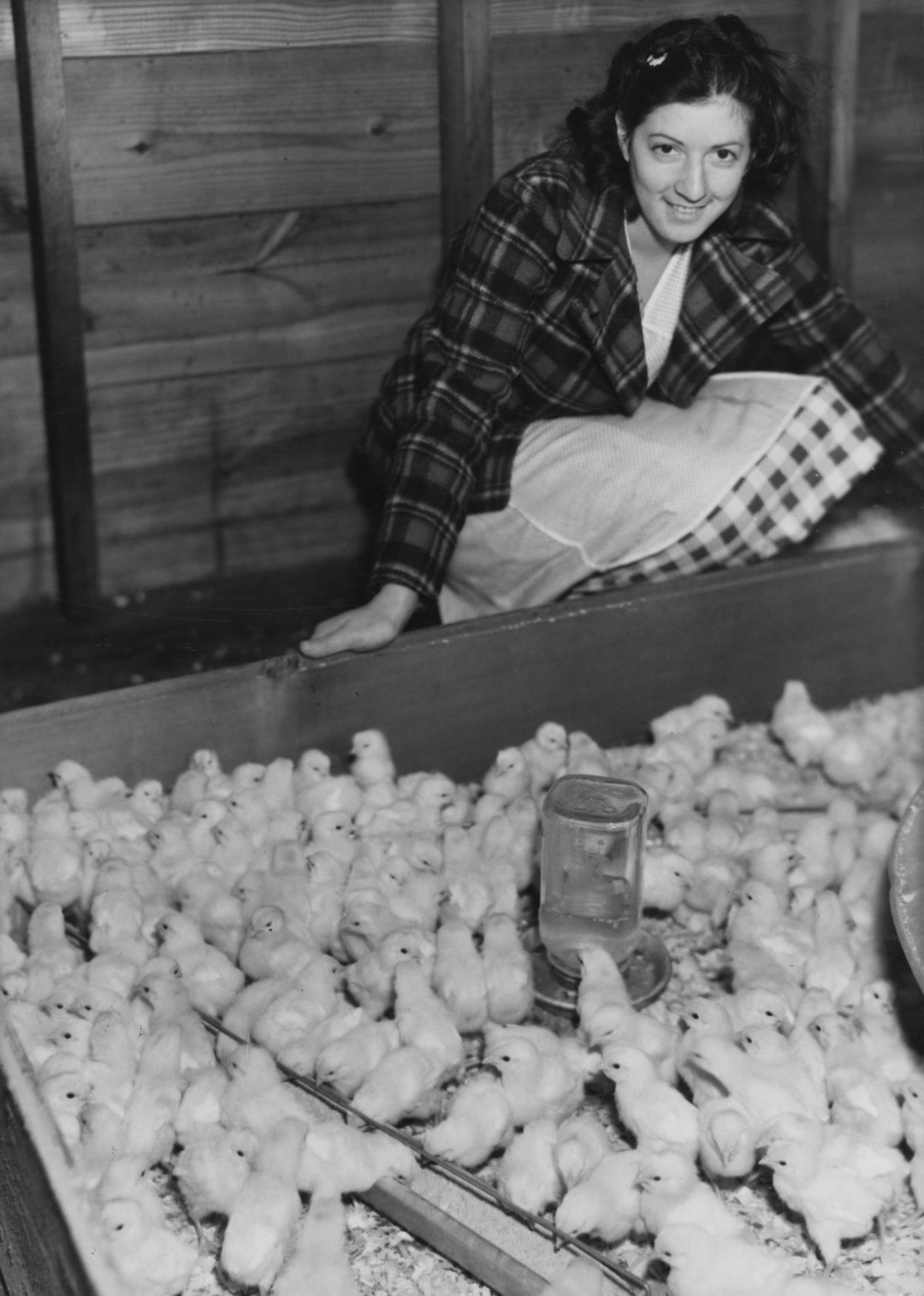
Our farming process begins with the arrival of day-old chicks from certified hatcheries. These chicks are immediately placed in climate-controlled brooding areas where temperature, humidity, and ventilation are carefully monitored. The brooding period lasts approximately 3-4 weeks, during which we provide specialized starter feed and ensure optimal environmental conditions for healthy development.
2. Growing Phase
After brooding, chickens enter the growing phase where they are moved to larger housing facilities. During this 12-16 week period, birds receive balanced nutrition formulated for optimal growth and bone development. Our facilities provide adequate space per bird, natural light exposure, and enrichment materials to promote natural behaviors such as perching and dust bathing.
3. Layer Housing
At approximately 16-18 weeks of age, pullets are transferred to laying hen facilities. Our layer houses feature modern ventilation systems, automated feeding and watering equipment, and comfortable nesting areas. Birds have access to outdoor ranges during appropriate weather conditions, allowing them to exhibit natural foraging behaviors while remaining protected from predators and harsh environmental conditions.
4. Egg Collection and Processing
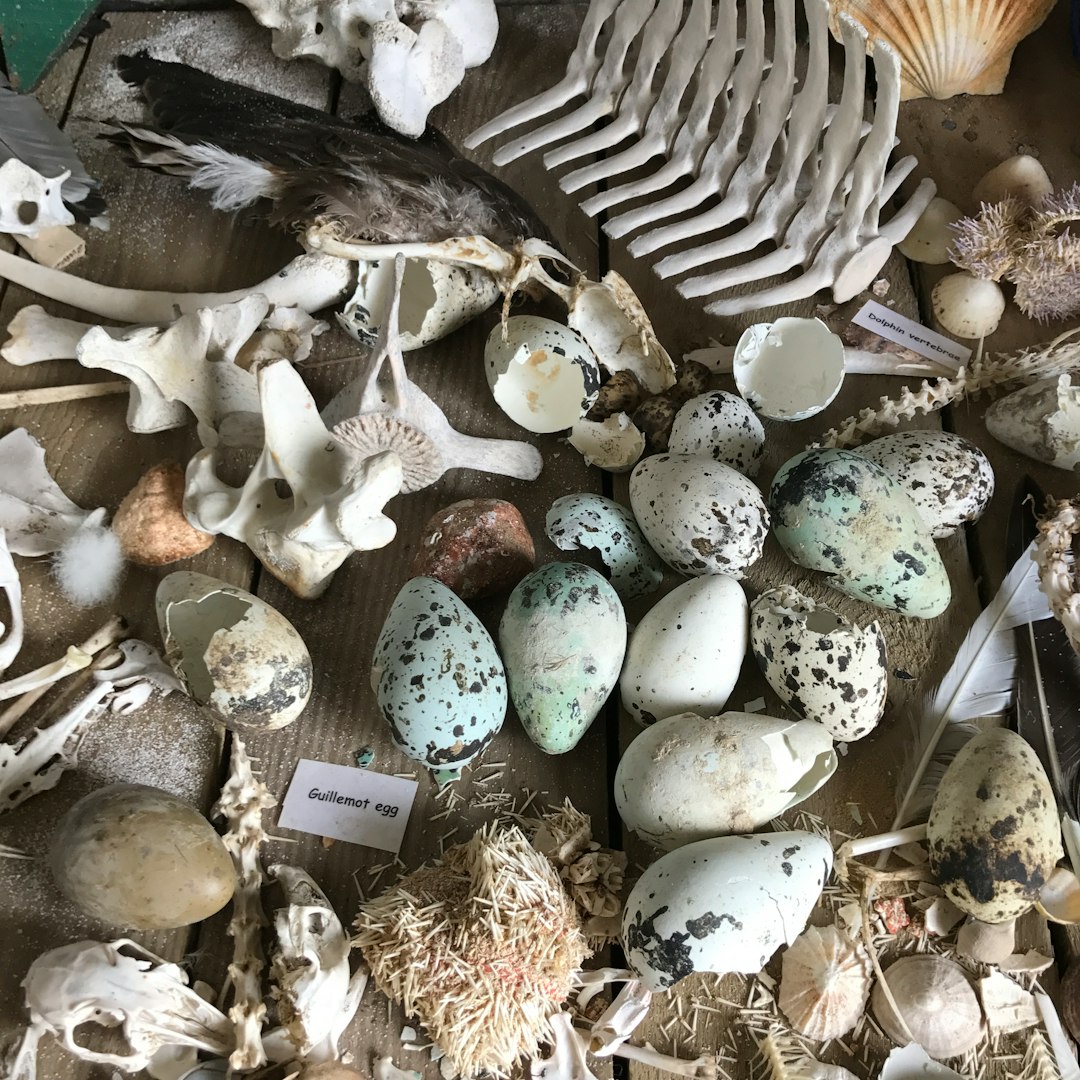
Eggs are collected multiple times daily using a combination of automated systems and manual inspection. Immediately after collection, eggs undergo quality assessment, cleaning, and grading according to EU standards. They are then stored in temperature-controlled environments to maintain freshness. Our collection process minimizes handling to reduce the risk of damage and contamination.
5. Biosecurity and Health Management
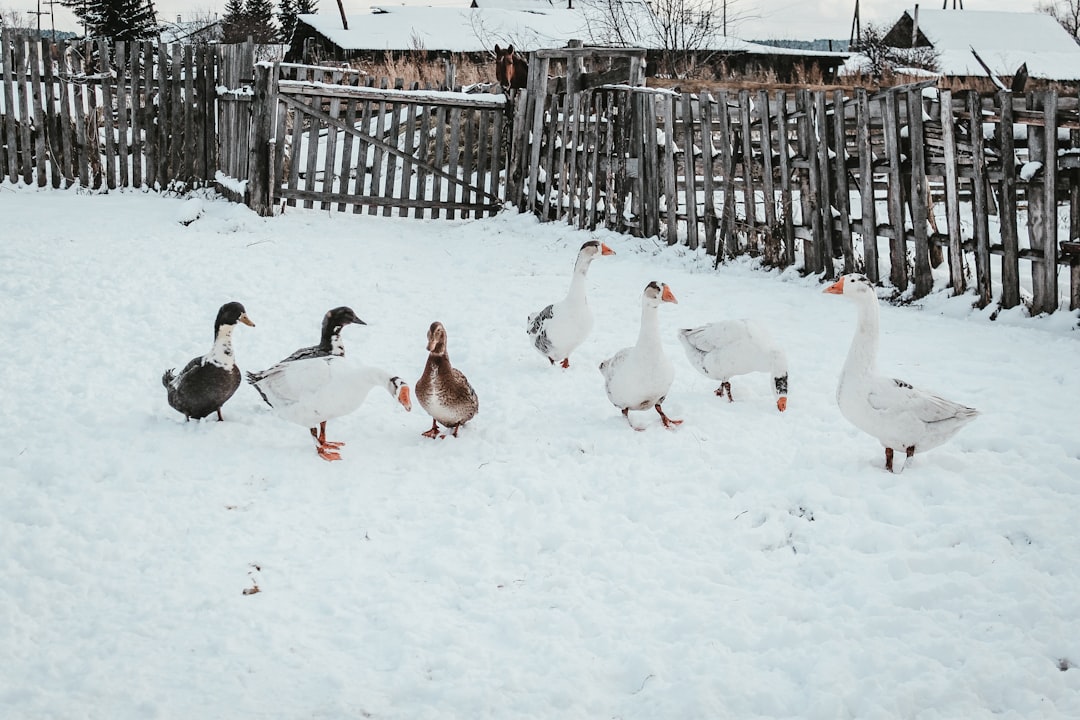
Throughout all phases, we maintain strict biosecurity protocols to prevent disease introduction and spread. This includes controlled access to farm areas, sanitation stations, regular health monitoring by veterinary professionals, and vaccination programs. Our staff receives ongoing training in disease recognition and prevention. Environmental monitoring ensures air quality, ammonia levels, and dust remain within acceptable parameters.
6. Waste Management and Sustainability
We implement comprehensive waste management strategies including manure composting and nutrient recycling. Poultry manure is processed and used as organic fertilizer for local agricultural operations, closing the nutrient loop and reducing environmental impact. Water conservation measures, renewable energy sources, and efficient feed conversion ratios contribute to our sustainability goals.
Continuous Improvement
Our farming process is regularly reviewed and updated based on the latest research in poultry science, animal welfare standards, and environmental sustainability. We participate in industry certification programs and maintain transparent records of our practices. Feedback from veterinary consultants, animal welfare auditors, and agricultural specialists helps us refine our methods to ensure the highest standards of care and production efficiency.